Syndicate Content · Confidential
TheCity of
Whatnot
A Documentary Series
Real people quitting real jobs to build real empires, live on camera, in front of thousands of strangers.
The Setting
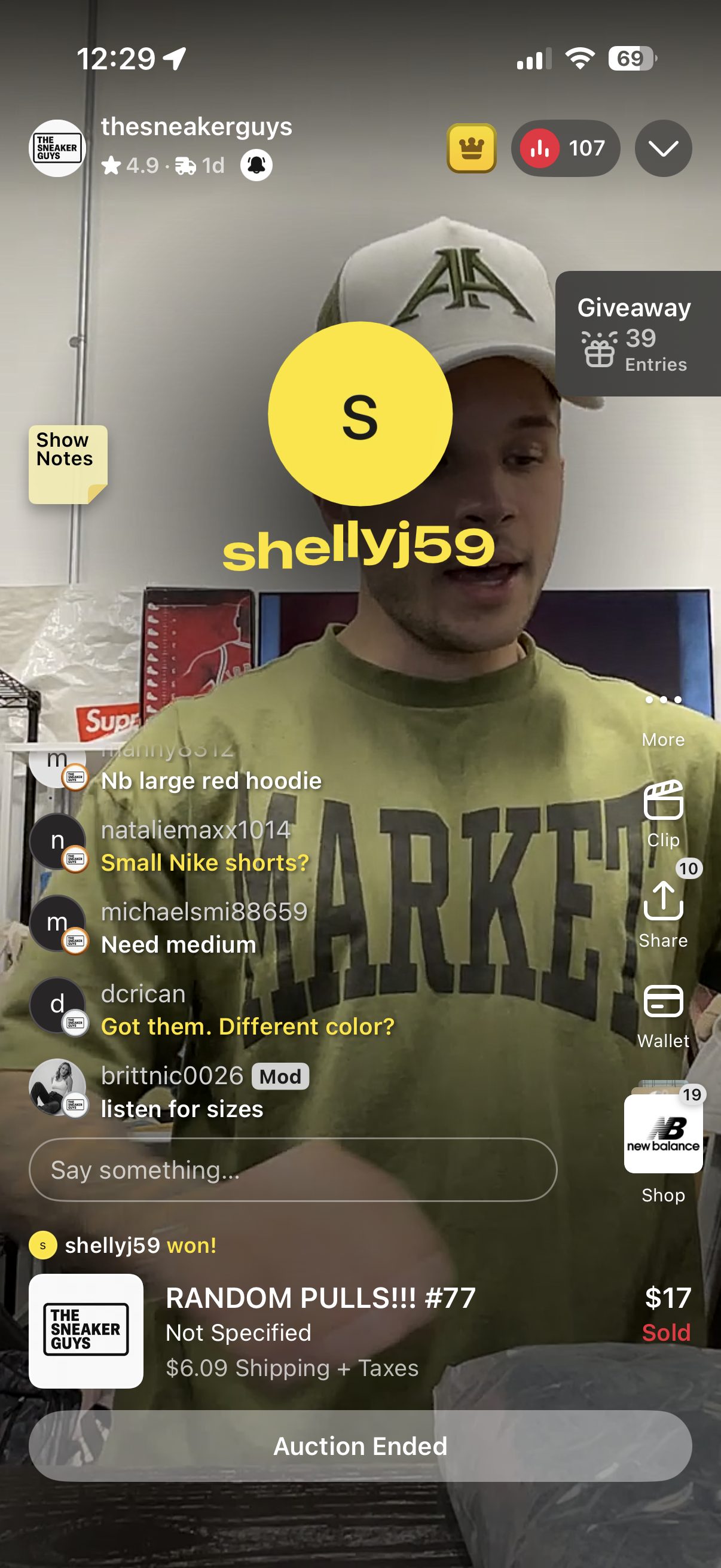
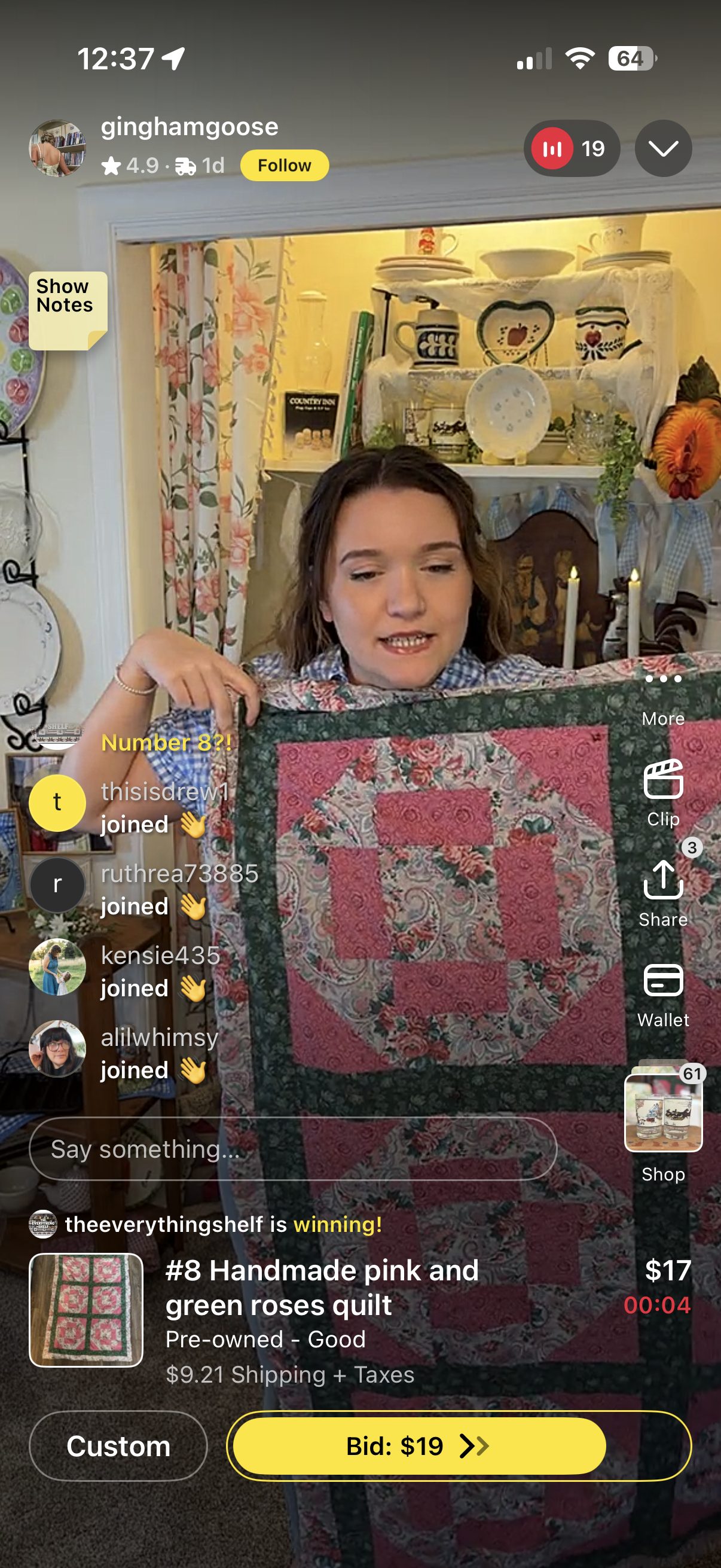
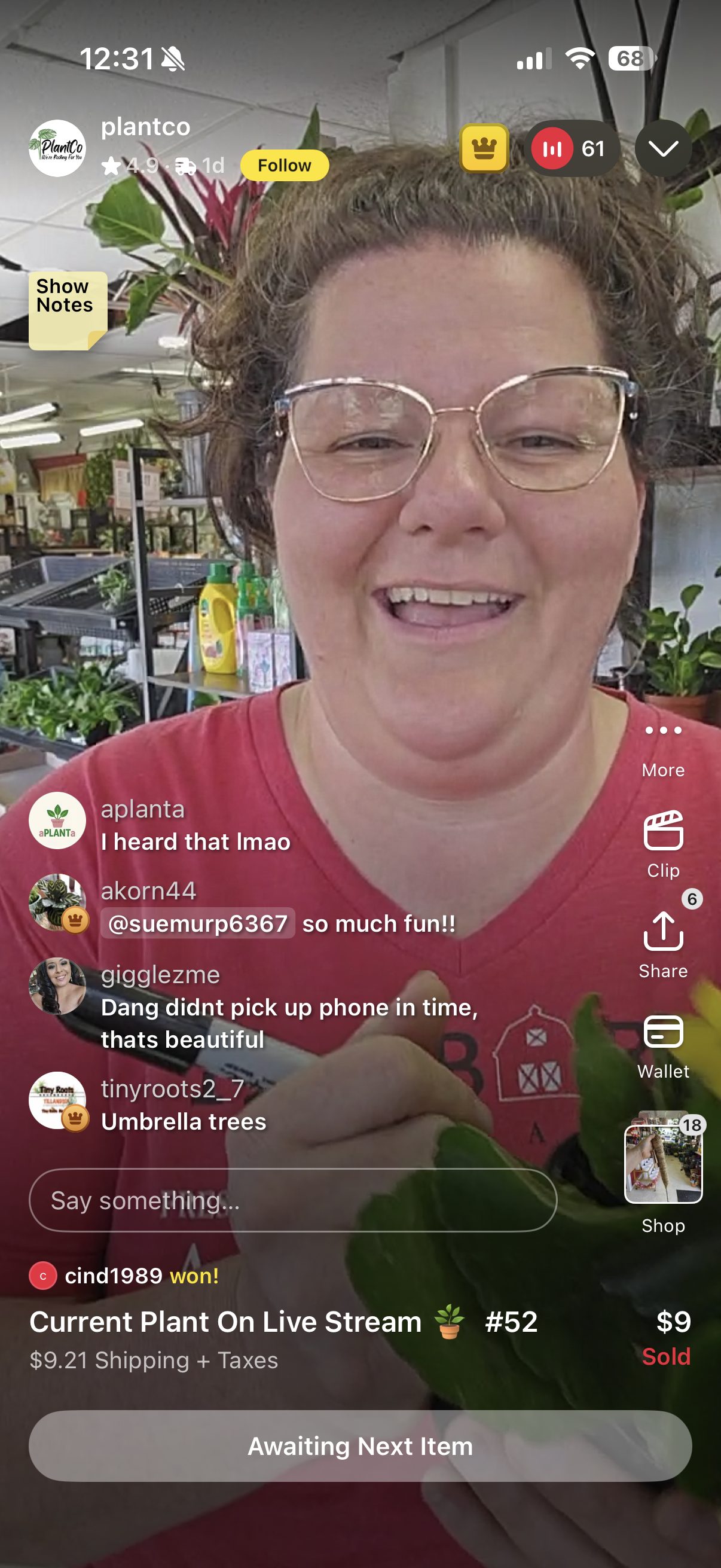
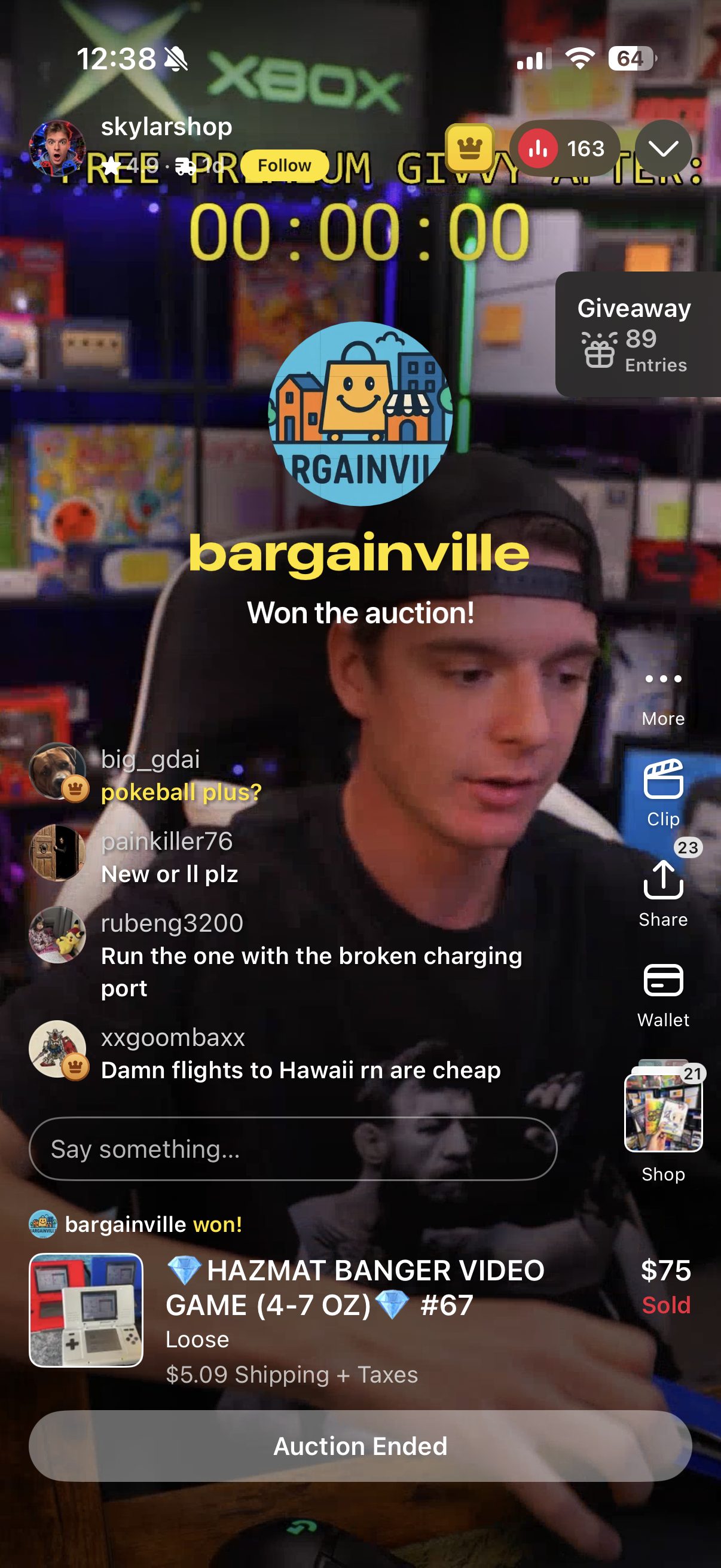
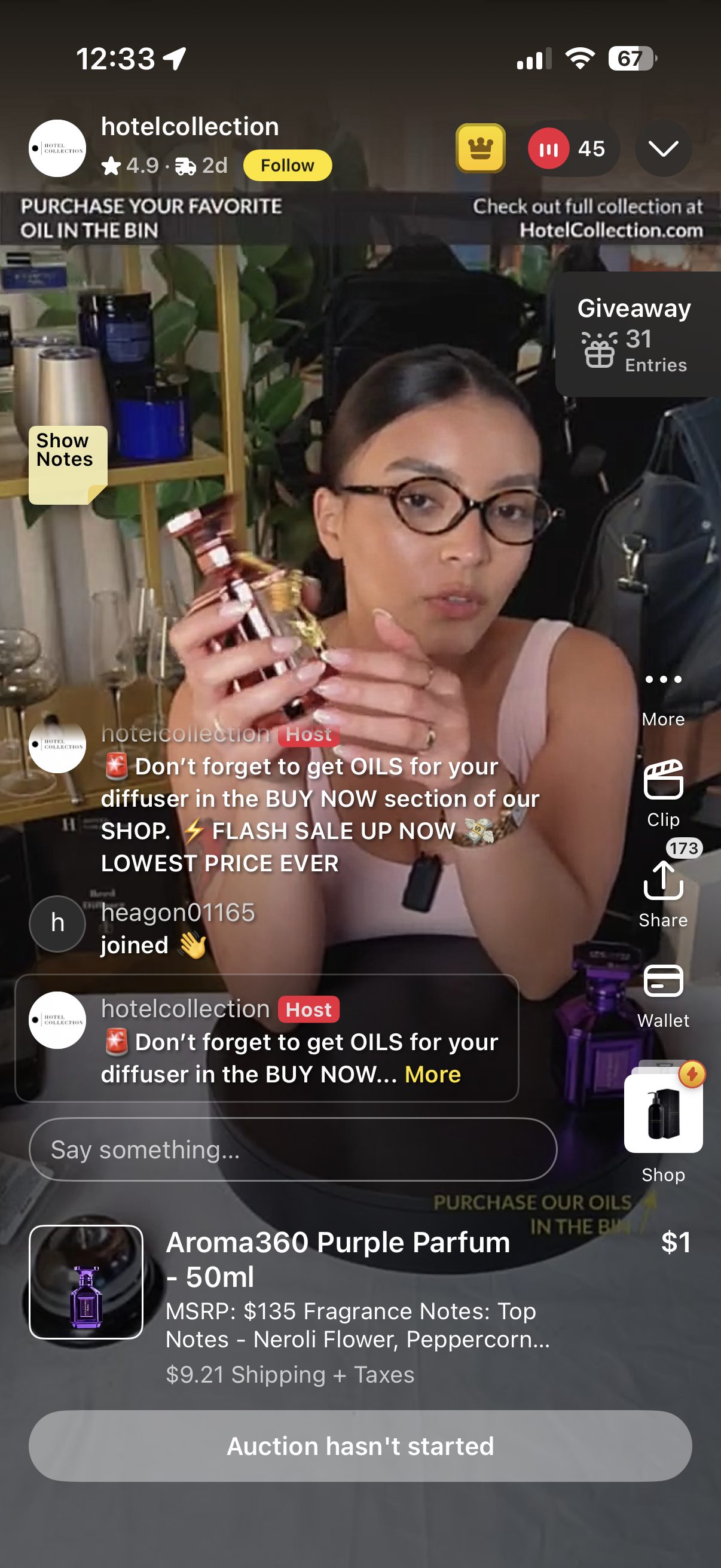
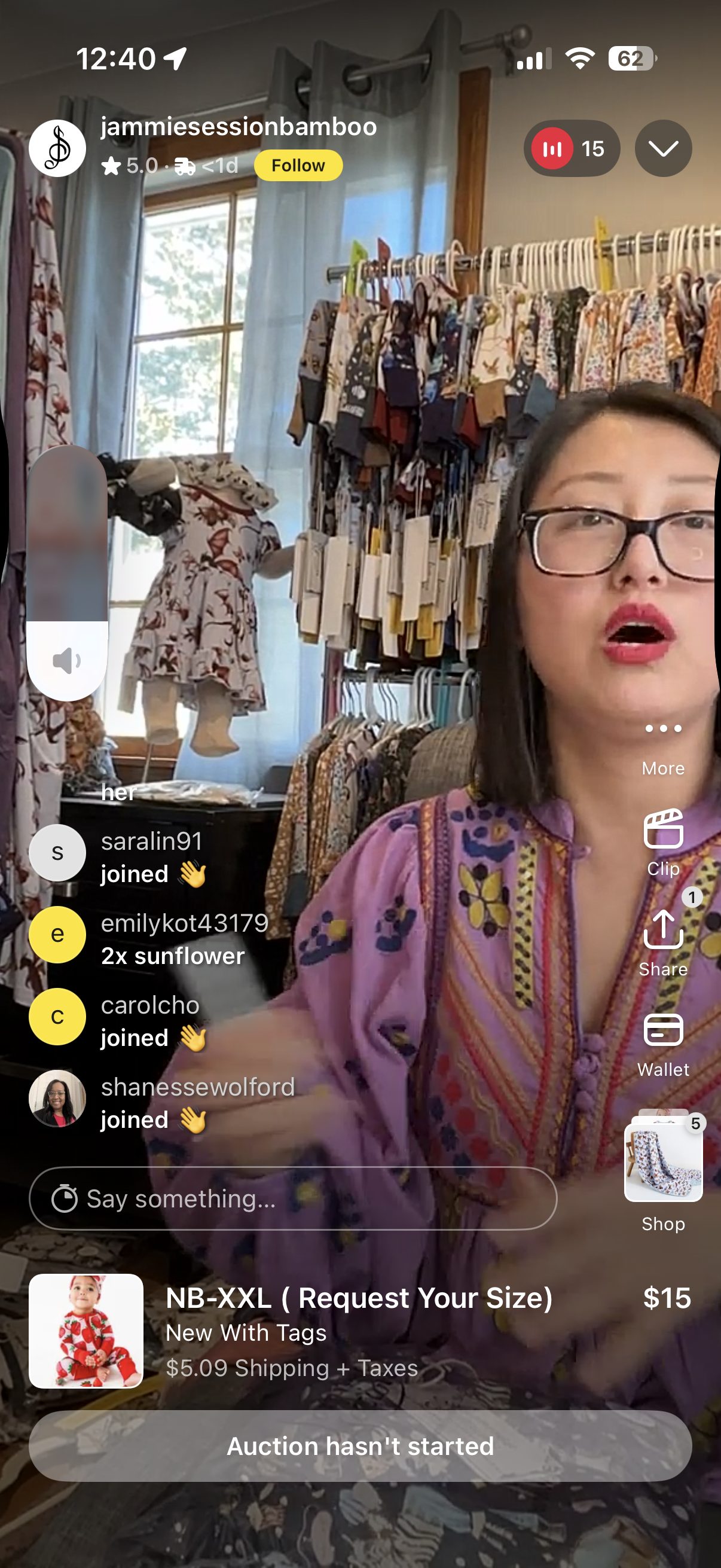
It has neighborhoods: sneakers, rare coins, vintage fashion, plants, comics, quilts, luxury handbags, gaming, golf clubs. It has citizens who spend 95 minutes a day inside it. It has an economy. It has culture, slang, rivalries, and legends. Newcomers arrive daily. Booms happen overnight. So do busts.
And no one has ever brought cameras through its gates.
The Story
Nobody knows their names.
They should.
Over 500 people made more than $1 million last year on Whatnot. But the story isn't just about who made it. It's about every step on the climb. Every level has its own drama. Every level has its own heroes. And the show meets them all.
Casting the Citizens
The people the platform made possible.
Some of the sellers below have already had their moment in the sun. CNBC. Business Insider. Voyage LA. They're proof of what's possible at the Premier and Elite tiers, and they're real candidates for casting at that level. None are locked. Our documentary team will go deep to find vibrant characters across the full climb, from first-stream Starters to Rising operators to Established mid-tier veterans, so the city on screen reflects the whole ecosystem and not just the summit.
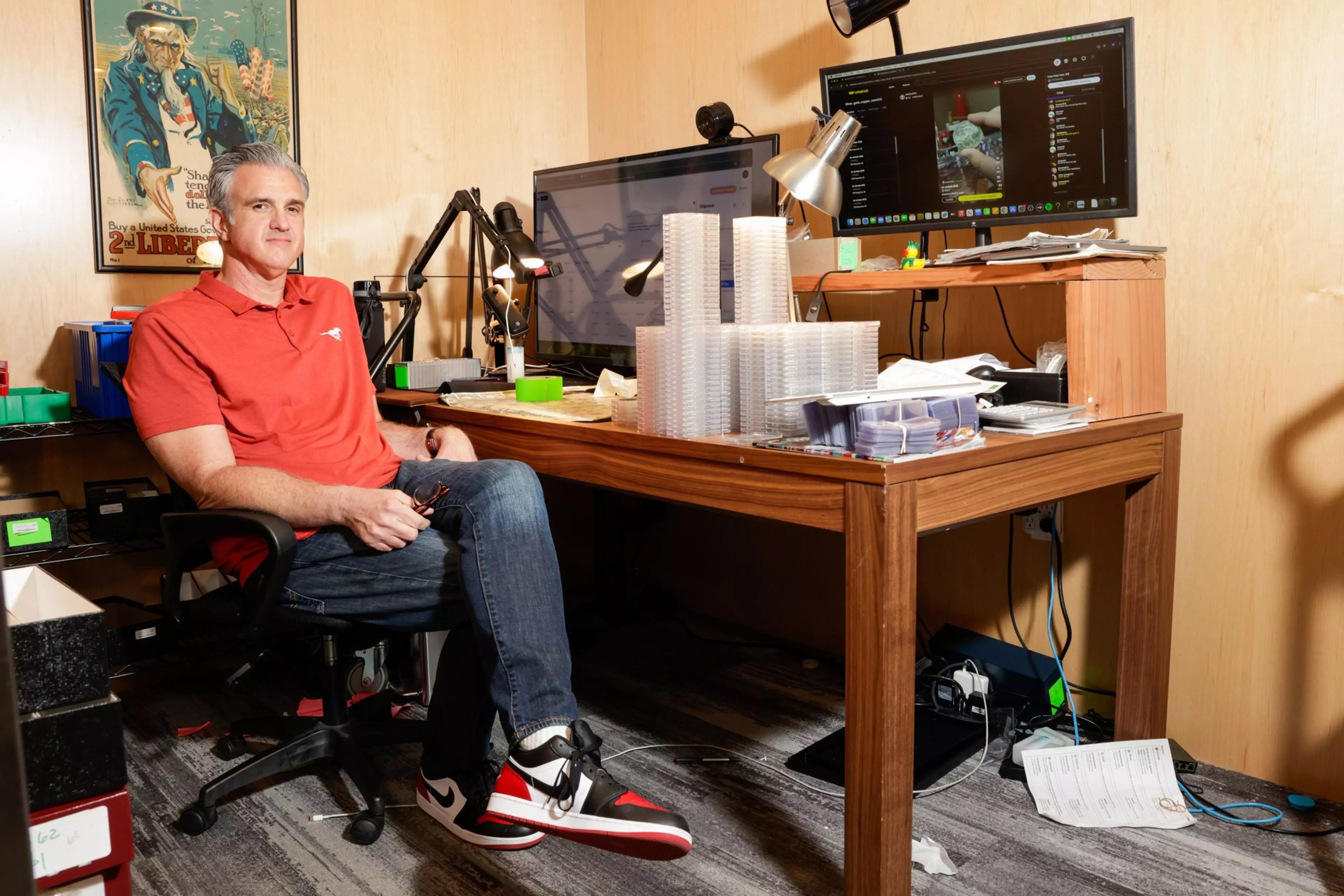
Four decades in rare coins. Thirty thousand followers nobody outside the platform has ever heard of. Ten to twenty thousand dollars an hour, live, from a small shop in San Francisco.
Seth is the quiet counter-argument to every creator-economy cliché. No personal brand. No TikTok crossover. Just a veteran dealer who found a live audience that actually understood what he was selling, and an income that dwarfs what the coin trade ever paid him offline.

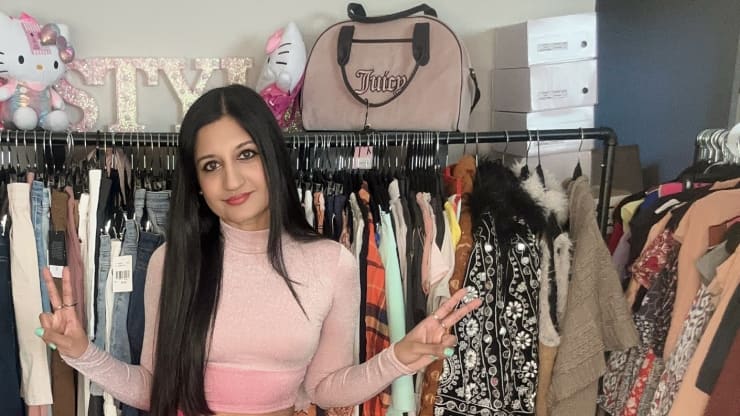
$15,000. That's what she started with. First-gen Filipino-American, one corporate job left behind, and a bet on herself that turned into a luxury empire.
Nica quit her job in January 2022 and invested $15K in pre-loved luxury inventory. Chanel. Hermes. Louis Vuitton. She curates 100+ authenticated pieces weekly and has built Fashionica into a multi-million-dollar operation she runs entirely herself, live.

Sunday he preaches. Every other day he sells golf clubs live on the internet. His congregation doesn't know about the other pulpit: the one that generated $100,000 in six hours.
Clinton has worked at Golf Headquarters since 2011. He started streaming on Whatnot and discovered an audience that showed up like clockwork. A 5.0 seller rating, 7,700+ reviews, and the platform's single-stream sales record, all built alongside a life nobody around him fully sees.
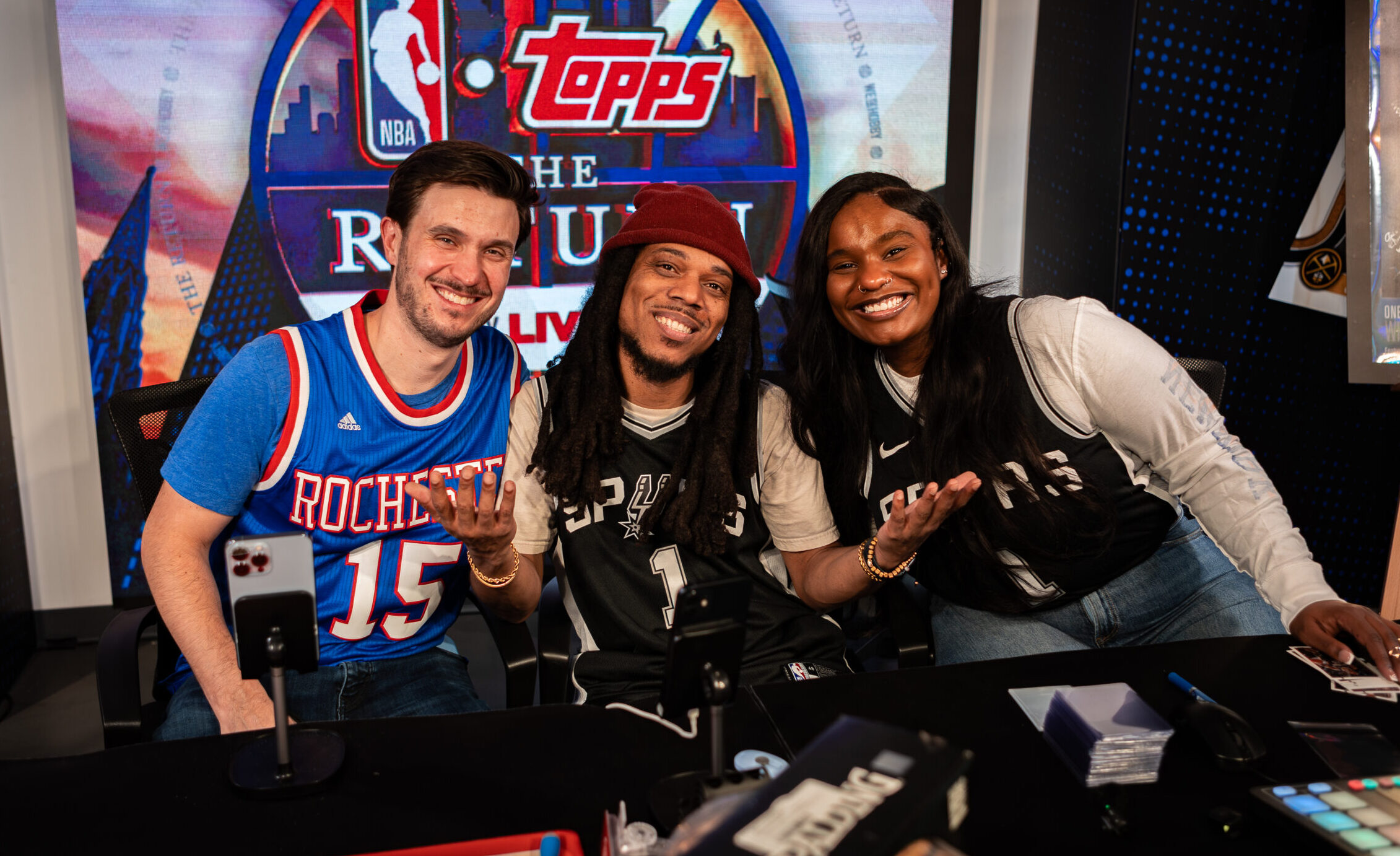
It started in a bedroom. Four years later it's 160 employees, 35 hours of live content every day, and a partnership with Fanatics. The bedroom is still somewhere in the building.
Founded in 2021, WeTheHobby scaled faster than anyone thought possible on a live commerce platform. Physical lounge, wholesale arm, and a global operation, all built by people who just wanted to talk about sports cards.
He started as a seller. Now he's building Whatnot's Australian market from the inside, the rare character who crossed from citizen to infrastructure.
Carson's arc is the show's Season 2 argument made human. The city is expanding. New territories, new communities, new people who haven't yet taken the leap. He's already on the other side of it, building the path for everyone who follows.
They had a physical store. They built a live-stream empire on top of it. Old-school passion meeting a new-school platform, and neither one replaced the other.
Steve and Kelly built ComicTraders into Canada's most trusted source for comics and CGC graded collectibles. Their story is about belief: in the hobby, in their audience, and in a platform most people their age had never heard of when they started.
A single mom working two jobs. A retired teacher with a garage full of vintage kids' books. A college kid flipping sneakers out of a dorm room. Different people, same moment: the first stream.
This is the character the show cannot exist without. The one who goes live for the first time with twelve viewers and one bid, who has no idea if anyone will ever show up, and who finds out in real time whether they have what it takes. We cast the person, not the resume.
Six months in. Three streams a week. A core audience that finally shows up without a push notification. Whatever the day job pays, this is starting to beat it.
The Rising character is where the show earns its stakes. The grind is real, the income is real, and the decision to quit the day job is looming. A plant dealer in the Pacific Northwest. A vinyl obsessive in Detroit. A jewelry flipper in Atlanta. The specifics change; the pressure doesn't.
The Show
Every episode is a theme.
Each episode follows a universal theme and cuts between sellers at different stages, in different categories, facing the same fundamental challenge. Drive to Survive didn't make Formula 1 famous by covering one driver. It made you care about all of them at once. This is that model applied to live commerce.
Format
6 to 8 episodes per season. Cross-cut between cast by theme. No narration, just access.
Comps
Drive to Survive's world-building. Last Chance U's raw access. Selling Sunset's personal stakes.
Visual Language
Handheld in the real world. Screen-captured in the stream. Two parallel realities, running at once.
"The Leap"
The first stream. Quitting the day job. Going live with no audience and everything on the line. Every subject has a version of this moment, and it changes everything that comes after.
"The Inventory Bet"
Buying $50,000 in product before you know if anyone will bid. The high-risk buy is the engine of this world, the moment that separates those who make it from those who don't.
"The Stream"
The ritual. The performance. The audience. What it actually feels like when 5,000 people are watching you sell, and what happens to a person who does it every single day.
"The Crash"
A dead stream. A bad buy. A public failure everyone can watch in real time. In this world, there's nowhere to fail in private. That's what makes the good days matter, and the bad days devastating.
"The Community"
Rivals who became mentors. Strangers who became chosen family. The social fabric underneath a city of strangers, and what it actually feels like to find your people in a comment feed.
"The Comeback"
Wins. Triumphs. And in one case, starting completely over. A quiet return after the crash, a seller rebuilt from zero, and the reminder that the story isn't the fall, it's what happens after.
For Whatnot
This isn't a documentary about the founders.
Drive to Survive didn't make Formula 1 famous by profiling the executives. It did it by putting cameras on the drivers.
The City of Whatnot is the story of the people the platform created: the career pivots, the calculated bets, the crashes and the comebacks. Real people building real things in front of a live audience. That's the show.
Told honestly, with genuine access to the Whatnot community. This is not marketing. It's way better because it's a story people will actually watch.
As you watch the docuseries you'll notice special badges built into every chyron (lower third ID) that pops up to identify a cast member. These badges subtly track each seller's journey, from first stream to seven figures. Viewers see the icons change throughout the series, and that education turns viewers into potential sellers. The show becomes a how-to guide wrapped in human stories.
Seller Levels
Milestone Tags
On Screen
Where It Goes
The field is clear.
Every premium buyer has a lane.
Twelve buyers, four continents, one story that fits each of them differently.
Netflix
Drive to Survive is the model they want to replicate. Character-first, access-driven, global commerce story with real stakes every episode.
Amazon
Commerce DNA, Prime audience, and a built-in lane for American entrepreneurship stories. The sleeper fit: they intuitively get the business angle.
Hulu
Selling Sunset lane. Personality-driven, bingeable. The drama between characters is the pitch, not the macro story of a platform.
YouTube
Shorter format, Whatnot co-production, platform-native. Proof of concept that builds an audience before moving to a premium buyer.
HBO
HBO's business-doc lane is the most critically credentialed in the market. The Succession audience doesn't just want drama, they want systems. Whatnot is a system making people rich in public.
Apple TV+
Apple's doc brand is prestige, patient, and increasingly character-led (Tetris, The Line, Wolfgang). This fits cleanly next to those and benefits from their refusal to chase trend programming.
Paramount+
Paramount needs an unscripted tentpole outside the Yellowstone universe. Live commerce has the built-in drama they've been paying competition-format showrunners to manufacture.
Peacock
Peacock's sweet spot is accessible premium with a lifestyle hook. Sellers quitting day jobs to build live empires is QVC's grandchildren, and Peacock's parent company invented QVC's category.
Channel 4 (UK)
The network that made business-as-character television a genre (Gogglebox, Grand Designs, The Apprentice UK). They understand niche communities as prime-time audiences better than anyone.
BBC / iPlayer
A BBC co-pro lane gives the series international legitimacy and unlocks EU markets. The BBC's long-form doc slate trades on access and craft, both of which this delivers.
Stan (Australia)
Season 2 lives in Australia and Japan. Stan is the natural local anchor, and CarsonTCG's arc is already building the on-platform story of that market's rise in real time.
Netflix Japan Co-Pro
A co-pro structure for the Japan expansion arc in Season 2. Netflix Japan has aggressively produced local-language unscripted in the last three years and the Whatnot Japan rollout is a ready-made narrative spine.
The Team
Who's making it.
Producer and development executive with 20+ years in Los Angeles. Led Snap's Phone Swap (200+ episodes). Co-created the highest-performing show on Eko. Properties sold to Hulu, SiriusXM, and Union Square. VP of Unscripted at NEO Studios. EP on Breakthrough: Women Changing The Game for InsightTV. Currently EP on docuseries REBOOT.
Founder of Syndicate Content. Veteran unscripted television executive and producer. Deep experience developing and selling documentary and reality formats to premium buyers. Specialty in character-driven access projects for streaming and broadcast. EP on REBOOT.
Executive producer at Syndicate Content with experience across documentary and unscripted development. EP on REBOOT. Core team member on The City of Whatnot from the project's inception in 2025.
Executive Operations Manager at Whatnot with a 15-year personal relationship with co-founder Logan Head. Internal liaison connecting production with platform operations, community, marketing, and leadership. The inside path to the people who matter.